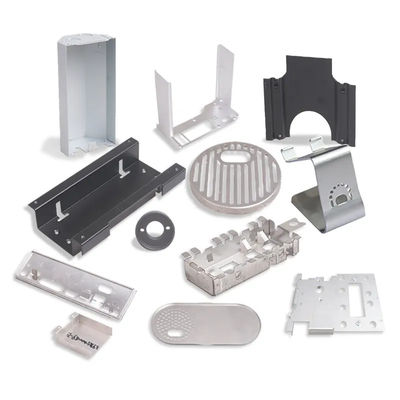
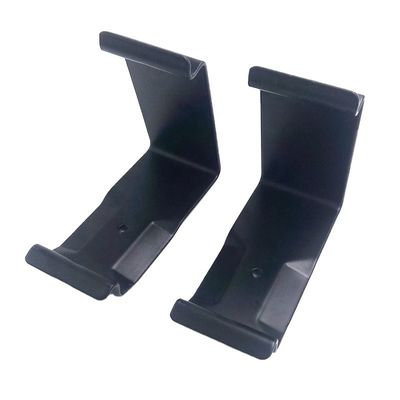
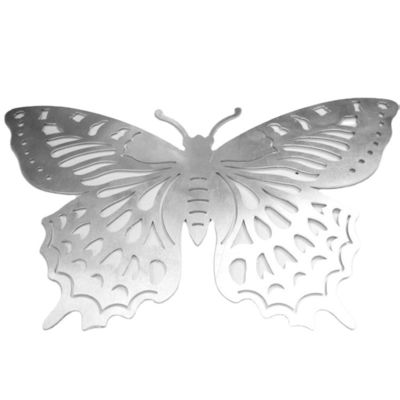
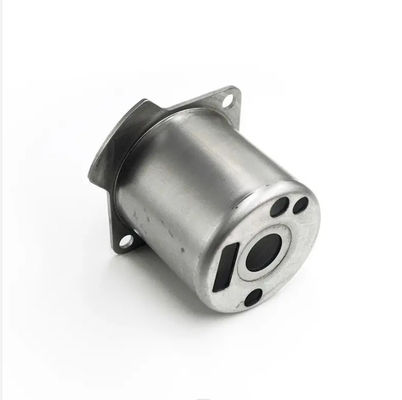
Op het gebied van de vervaardiging van plaatmetalen heeft de manier waarop een logo wordt gemaakt niet alleen invloed op het uiterlijk, maar ook rechtstreeks invloed op de duurzaamheid van het product en de productiekosten.De drie meest gebruikte processen zijn de serigraaf, lasermarkering en stempelen, elk met zijn eigen geschikte toepassingen.
Met schermprinten wordt inkt via een mesh-scherm overgedragen op het oppervlak van een plaatmetaalonderdeel om de afbeelding te vormen.Het grootste voordeel van dit proces is de sterke kleurenprestaties alle kleuren kunnen worden aangepast en de brede materiaalcompatibiliteitVoor plaatstukken die reeds zijn geverfd of geanodiseerd, zoals chassispanelen of apparatuurplaten,schermdrukken is een goede keuzeDe inktlaag kan echter geleidelijk verslijten door langdurige wrijving of chemische corrosie, wat resulteert in een relatief beperkte duurzaamheid.
Lasermarkering maakt gebruik van een hoogenergetische laserstraal om het metaaloppervlak te verwijderen of te oxideren, waardoor een blijvend merk wordt gemaakt.De meest opvallende voordelen van dit proces zijn de duurzaamheid en slijtvastheid van het merkteken, dat tijdens het gebruik niet vervaagt of afvalt, alsook de uiterst hoge precisie, die gemakkelijk kleine tekst, hoge resolutie QR-codes, en zelfs complexe patronen kan bereiken.lasermarkering veroorzaakt geen mechanische spanning of vervorming van het plaatonderdeelHet vereist ook geen gereedschap, aangezien de afbeeldingen rechtstreeks door computerinvoer kunnen worden gewijzigd, waardoor het zeer geschikt is voor kleine batch, high-mix rapid productie.De beperkingen zijn onder meer de relatief hoge initiële uitrustingsinvesteringen, en standaardvezellasers kunnen meestal alleen enkelkleurige resultaten zoals zwart, wit of grijs produceren, zonder de mogelijkheid om full-color logo's te maken.
Met het stempelen wordt druk uitgeoefend op metaalplaten door middel van een matrijs, waardoor een verhoogd of ingebotteld driedimensionaal logo op het oppervlak van het onderdeel ontstaat.De grootste aantrekkingskracht van dit proces ligt in het sterke driedimensionale effect, die zowel visueel als tastbaar prominent is en de waargenomen kwaliteit van het product aanzienlijk verbetert.er is geen risico op schillen of slijtageDe duurzaamheid is even lang als die van het product zelf, met zeer lage kosten per eenheid in de massaproductie.de eenheidsprijs voor de productie van kleine partijen aanzienlijk verhogenDe nauwkeurigheid van het stempelen is niet zo hoog als bij het lasermarkeren van extreem fijne lijnen of scherpe hoeken, en zodra de matrijzen zijn gemaakt, zijn daaropvolgende aanpassingen zeer moeilijk.
Deze drie processen hebben elk hun eigen sterke punten. Als je levendige kleuren en grote volume platte logo's nodig hebt, is serigraaf een kosteneffectieve keuze.en variabele gegevensAls u een driedimensionale textuur zoekt en metalen onderdelen in grote hoeveelheden produceert, is stempelen een onvervangbaar proces.veel hoogwaardige plaatstukken gebruiken een combinatie van processen, bijvoorbeeld, waarbij eerst de totale contour wordt gestempeld en vervolgens fijne tekst met lasermarkering wordt toegevoegd om een evenwicht te bereiken tussen driedimensionaal effect, duurzaamheid en informatieflexibiliteit.

 Uw bericht moet tussen de 20-3.000 tekens bevatten!